
Smokey Sky City: Reflections on Reflections on Calgary, Climate Change, and International Women’s Month
Written by Jennifer Burgess
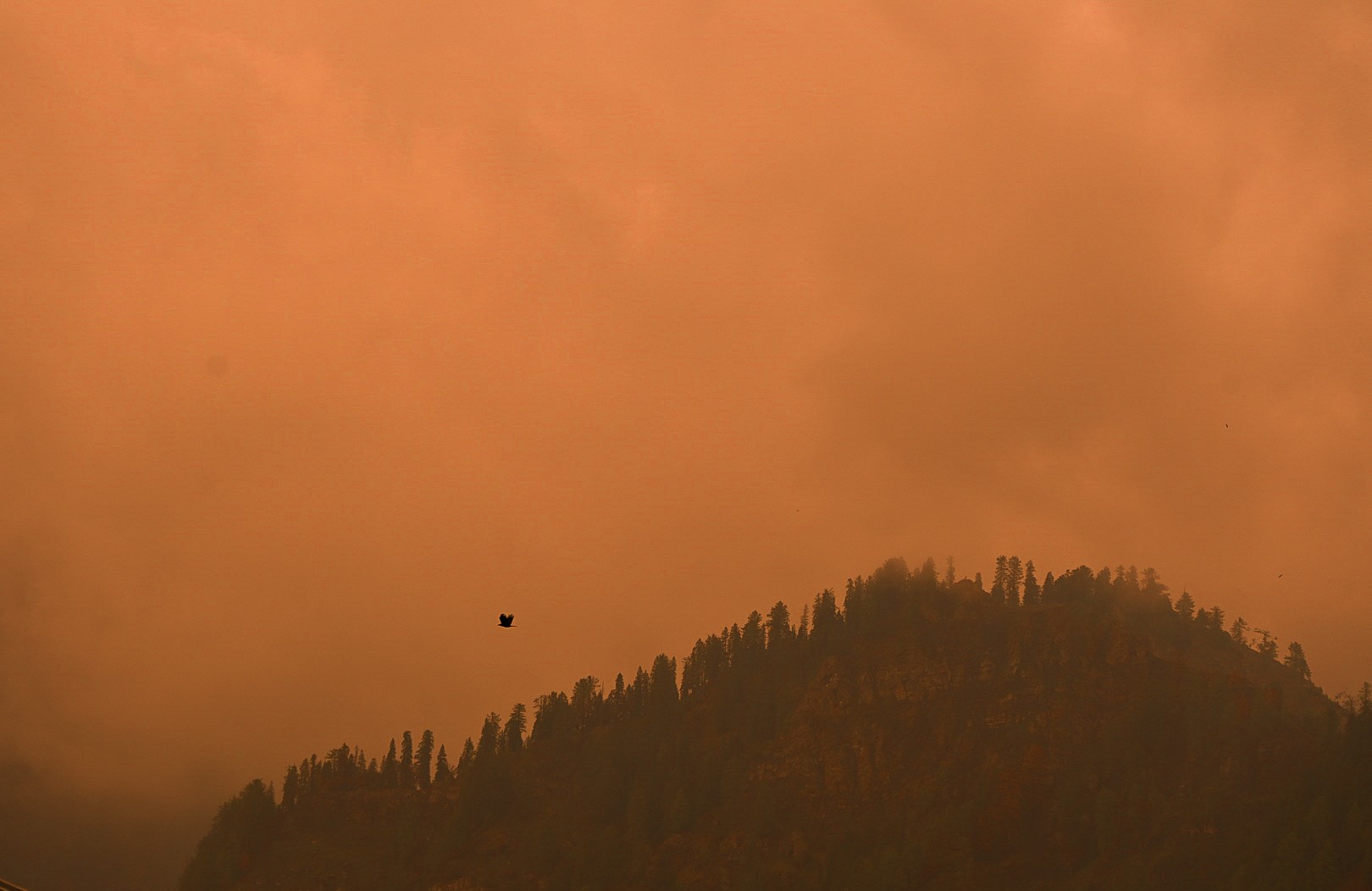
It’s August 2023 and it is hot outside, a consistent dry heat Calgarians know well. The only way to beat this kind of heat is to turn on the sprinkler in the backyard or spend the day at an outdoor community pool, ideally with popsicles and cold beverages. But this is not what I’m doing. I am inside my house, a 70’s era house with 70’s era HVAC, with kids who are hot and listless and begging to go outside. But we can’t, because the air quality outside exceeds Health Canada’s recommendations for vulnerable populations like children- the air in their own backyards could literally make them sick. So, we do our best with picnics on the kitchen floor, movie parties in the basement, and room temperature baths. But none of those fixes address the fear in my heart- what kind of world am I leaving my kids?
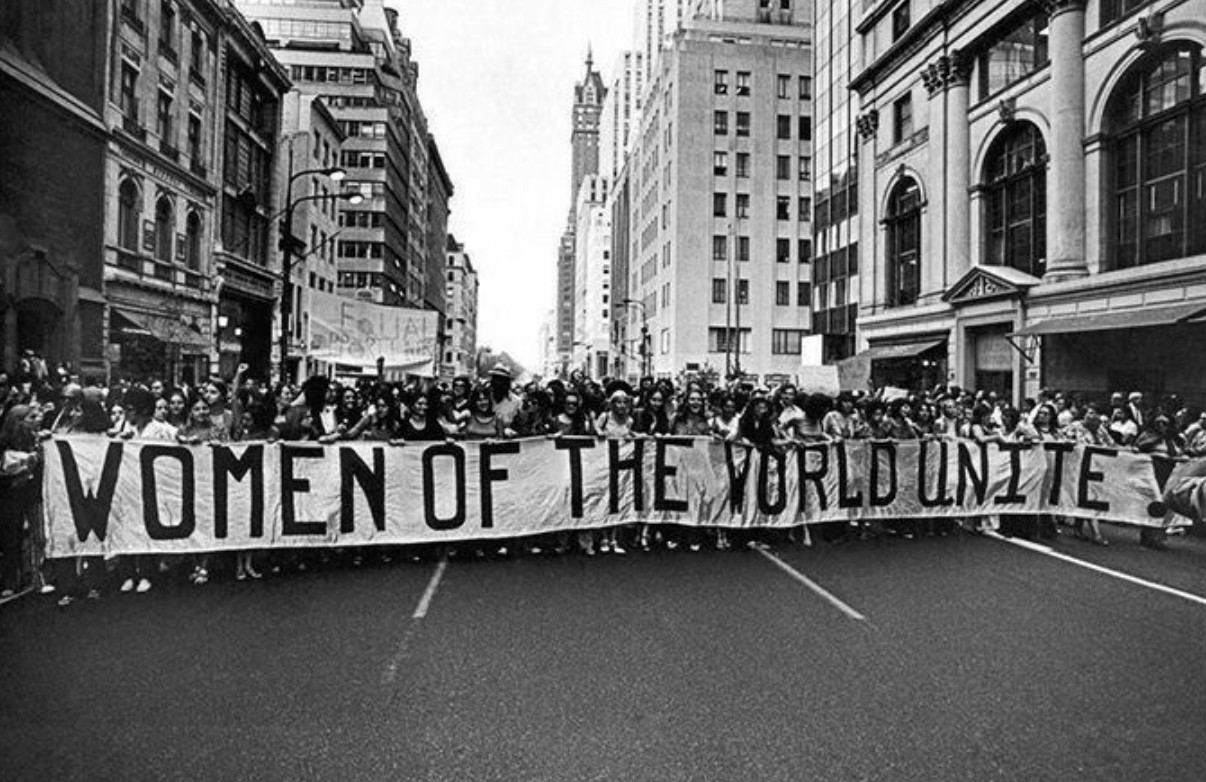
I share this story because I know many of you have a similar story. And because when I think about honouring International Women’s Month, I think about women all over the world making impossible choices because they are mitigating a crisis that is not of their making. The women who face domestic abuse because every 1°C rise in global temperature is associated with a 4.7 per cent increase in intimate partner violence. The Indigenous women whose sacred knowledge of environmental stewardship is ignored by colonial forces who destroy the ecologies they have nurtured. The women in Bolivia who have to travel to another city to get water for their families. I won’t attempt to be exhaustive in listing the ways women are impacted by climate change, because the list would be too long.
But I do know the impact climate change has on women’s lives is not abstract or separate from the climate challenges we face right here in Calgary. When Calgary City Council proclaimed a climate emergency in 2021, championed by our city’s first women mayor, it was met with a mixture of relief, confusion, and ambivalence.
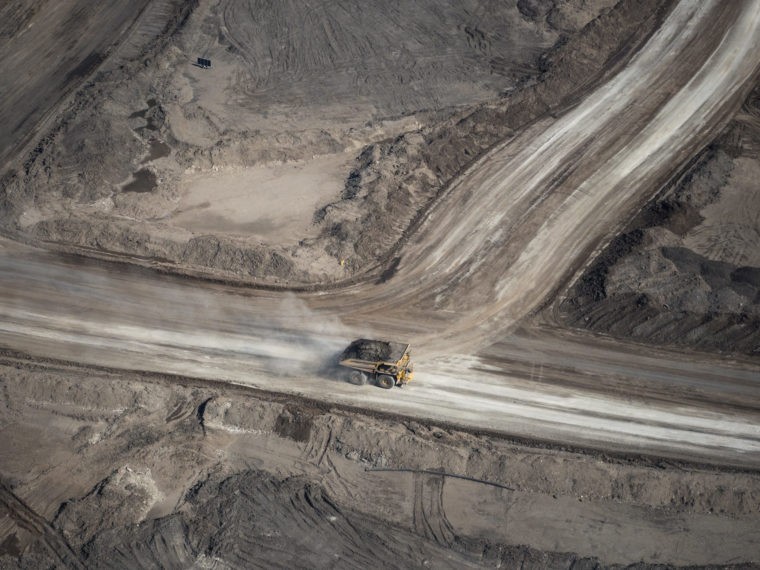
Declaring a climate crisis is a complex statement in a city literally built by profits from oil extraction. Calgarians are familiar with the long-standing tension, real or fabricated, between addressing our responsibility for climate change mitigation and fostering an economy that depends on oil and gas companies funding our infrastructure, leasing our office towers, and most importantly, providing stable jobs for Calgarians. This co-dependent relationship has become toxic over the last two decades, with big oil no longer keeping it’s end of the bargain. Despite oil profits being at a record high, most Calgarians, especially vulnerable people, are now suffering the effects caused by energy production without seeing the benefits Calgary enjoyed for decades.
The Women’s Centre of Calgary recently identified the disproportionately high risks women in Calgary face of “hidden homelessness”, which refers to the different strategies that women and gender diverse people may act on to avoid the streets, such as trading sex for shelter, remaining in abusive relationships, couch surfing, or sleeping in cars. It is impossible to disconnect this alarming situation with the impacts of climate change. When public resources go to propping up the energy industry, despite oil companies leaving Calgary and taking hundreds of blue-collar jobs with them, infrastructure like housing and other public support systems go unfunded. On top of this all, Alberta consistently remains one of the country’s poorest performers when it comes to wage parity by gender.
The link between damage to the climate and gender inequality is clear, but I believe that same connection is the path to a new era of climate change mitigation, and one day, even climate change reversal.
Calgary is home to the most talented organizers I have ever met. Organizations like the Calgary Climate Hub, For Our Kids, or the Alberta Wildness Association all have a strong presence in Calgary and also strong histories of female leadership. But when I think about the hopeful future of climate leadership, mostly I think about my community. The mothers in school councils who pushed the CBE to pilot electric school busses. The Indigenous Elder at a college I taught at patiently explaining to our class the cultural and environmental significance of the tobacco she grew right on campus. The committed volunteers who created a stunning ecosanctuary from an underwhelming patch of grass behind our community association. And I think of my Grandmother, a skilled farmer, who tried her best to teach me that our connection to the land and to each other is all that really matters.
As we head into another summer of wildfire escalation and air quality warnings, I challenge us all to think about the path forward through these scary times. In order to keep grounded I often remind myself of the Seven Generation Principal from the Haudenosaunee Confederacy, one of the oldest participatory democracies on Earth. We are here because of the wisdom of generations of women before us and we owe future generations a healthy earth. There is a way through this fight- I’ll meet you on the other side where the air is clear.